Laksa, Nasi Lemak, and a Line Around the Block: America's New Food Obsession Has a Malaysian Accent
Something Is Happening in American Kitchens
Picture this: it's a Saturday morning in New York City's Lower East Side. There's a line snaking down the sidewalk outside a small pop-up restaurant. The sign out front doesn't say pizza. It doesn't say tacos. It says nasi lemak — and half the people in line have no idea how to pronounce it yet. But they're there, and they're excited, and their Instagram stories are about to introduce coconut rice and sambal to a few thousand more Americans who didn't know they were missing it.
This is the moment Malaysian food is having in the United States. And if you've been paying attention to food media, TikTok, or just the ever-shifting pulse of what Americans are lining up to eat, you've probably already felt it coming.
We're here for it. And we want to tell you exactly why it's happening — and where to find the good stuff.
Why Malaysian Food Hits Different
Let's start with the obvious question: why now? Thai food has been mainstream in America for decades. Vietnamese pho became a comfort food staple. Korean BBQ went from niche to neighborhood fixture. So why is Malaysian cuisine only arriving at this cultural moment?
Part of the answer is that it was always going to take time. Malaysian food is complex. It's not built around one or two signature dishes — it's a layered, multicultural cuisine that reflects the country's Malay, Chinese, Indian, and indigenous culinary traditions all at once. That richness is its greatest strength, but it also made it harder to package for American audiences who were still learning the basics of Southeast Asian food.
"Malaysian food doesn't fit neatly into a box," says Chef Amirah Zainudin, who runs a Malaysian pop-up in Los Angeles that regularly sells out within hours of announcing dates. "It's not just 'spicy Asian food.' It's coconut and lemongrass and tamarind and shrimp paste and fresh herbs all at the same time. Americans are more food-literate now. They're ready for that complexity."
She's right. The US food scene has shifted dramatically over the last decade. The rise of food media, the globalization of restaurant culture, and — critically — the explosion of food content on social media have created an audience that actively seeks out unfamiliar flavors rather than shying away from them.
TikTok Did Something Real Here
You can't tell the story of Malaysian food's American moment without talking about TikTok. Videos of laksa — that rich, spicy-sour noodle soup that might be the most complex bowl of anything you'll ever eat — have racked up millions of views on the platform. Creators showing Americans how to make char kway teow at home (wok hei and all) have built massive followings. And nasi lemak, once completely unknown outside of Southeast Asian communities in the US, is now being described by food writers as "the next big thing" with the kind of breathless enthusiasm usually reserved for croissants or smash burgers.
The virality isn't random. These dishes are visually stunning — vivid colors, dramatic textures, the kind of food that photographs beautifully. But they also deliver on taste in ways that American palates, increasingly adventurous and MSG-positive, are genuinely responding to.
"People come in because they saw it online," says Marcus Ong, who runs a Malaysian food stall at a popular food hall in Brooklyn. "But they come back because it actually tastes incredible. That's the real test."
Marcus's signature dish — a bowl of Penang-style asam laksa, made with mackerel, tamarind, and a garnish of pineapple and mint — has a three-month waiting list for his monthly pop-up dinners. Three months. For a dish most of his customers had never heard of eighteen months ago.
A Crash Course for the Curious American
If you're new to Malaysian food and wondering where to start, here's a quick, no-pressure guide to the dishes everyone's talking about:
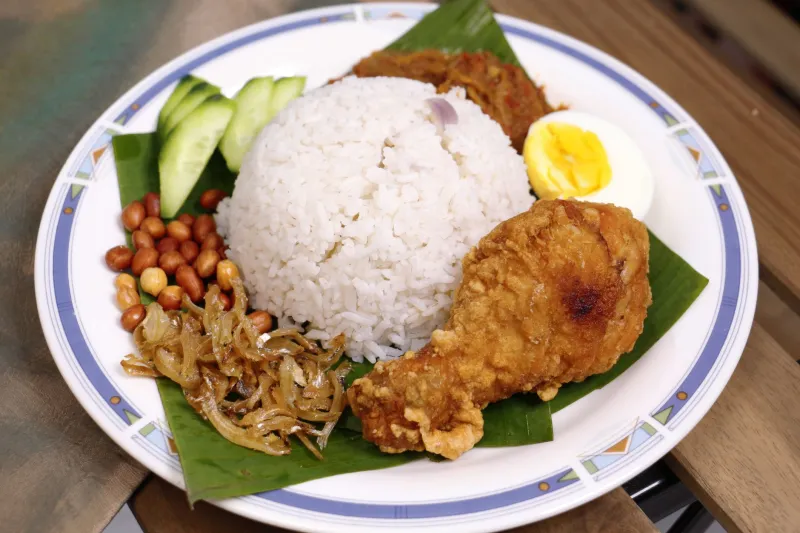
Nasi Lemak — Think of it as Malaysia's national comfort food. Coconut-steamed rice served with crispy anchovies, roasted peanuts, a hard-boiled egg, cucumber slices, and a heap of sambal (a chili-based condiment that ranges from gently warm to genuinely challenging). It's traditionally a breakfast dish, but honestly, it works at any hour.
Laksa — This is actually a family of dishes rather than one single thing. Curry laksa is rich and coconut-milk-based; asam laksa is sour and fish-forward. Both are noodle soups, both are extraordinary, and both will make you want to cancel your dinner plans to have a second bowl.
Char Kway Teow — Flat rice noodles stir-fried over intense heat with shrimp, Chinese sausage, egg, and bean sprouts. The smoky, slightly charred flavor — what cooks call wok hei — is what makes it addictive. Finding it made properly in the US is still a bit of a treasure hunt, which makes it all the more worth seeking out.
Roti Canai — A flaky, layered flatbread served with curry dipping sauce. It's the kind of thing you eat and immediately wonder why it isn't everywhere.
Teh Tarik — Literally "pulled tea." Sweetened black tea mixed with condensed milk, poured dramatically between two cups to create a frothy, velvety drink. It's Malaysia's answer to the latte, and it's perfect.
The Chefs Carrying the Culture
Behind every great food trend is a group of people who care deeply about getting it right. The Malaysian chefs and restaurateurs bringing this cuisine to American cities aren't just cooking food — they're telling a story about home, identity, and the kind of community that forms around a shared table.
"When someone eats my mother's sambal recipe in Brooklyn, that means something to me," says Amirah. "It's not just food. It's a piece of where I'm from."
That emotional weight is something American diners are picking up on, whether they articulate it that way or not. Food has always been one of the most direct routes to cultural understanding, and Malaysian cuisine — with its history of communities sharing ingredients, techniques, and tables across ethnic lines — carries that message particularly well.
Where to Find Malaysian Food Near You
Major cities with growing Malaysian food scenes include New York, Los Angeles, San Francisco, Chicago, and Houston — largely because of existing Malaysian and Southeast Asian diaspora communities in those areas. Search for Malaysian restaurants, check food hall directories, and follow local food influencers who cover Asian cuisine. Pop-ups are especially worth tracking on Instagram and TikTok, since that's typically where the most exciting stuff is happening.
And if you can't find it near you? Tell us. Seriously — drop a comment, share this article, tag a Malaysian restaurant you love. TellMe Malaysia is your platform too, and building the kind of community that puts Malaysian food on the map in every American city is exactly the kind of thing we're here for.
Now go find yourself a bowl of laksa. You deserve it.