The Malaysian Fingerprint on American Pop Culture Nobody's Talking About
Here's a question worth sitting with: When was the last time you heard a chart-topping pop song and thought, "I wonder if a Malaysian producer had something to do with this"? Probably never, right? And yet, increasingly, the answer to that question is yes.
There's a quiet revolution happening at the intersection of Malaysian talent and American entertainment. It doesn't always come with a press release. The names don't always make the credits. But the fingerprints are there — in the production on a Billboard Hot 100 track, in the casting of a major studio film, in the visual identity of a viral music video. Malaysia is shaping American pop culture in ways that are only now starting to get the recognition they deserve.
The Invisible Architecture of Pop Music
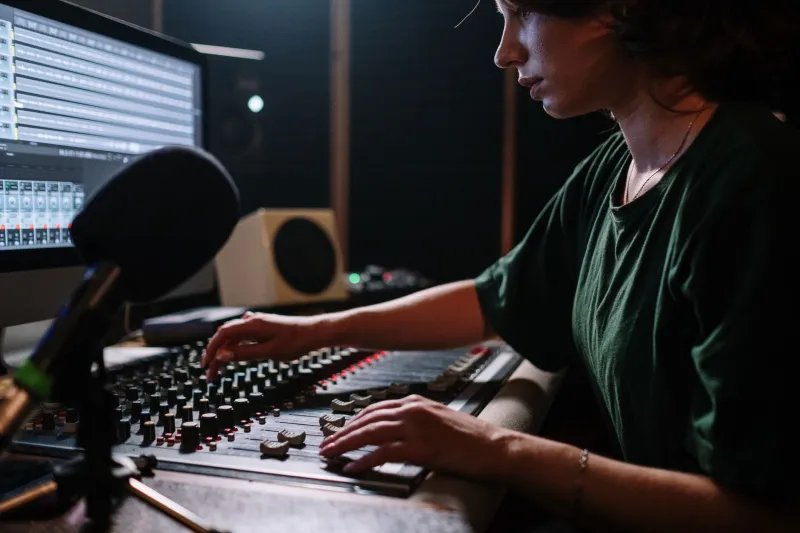
The music industry runs on an invisible economy of producers, songwriters, and session artists whose names most fans will never know. These are the people who build the sonic architecture that makes a song feel like a hit before the vocalist even steps into the booth.
A growing number of those people are Malaysian.
Producers like KXV (real name Kevin Siva) have quietly racked up writing credits on tracks for artists with massive American fanbases, working across the pop and R&B space with a production style that blends tight Western pop structure with melodic sensibilities rooted in South and Southeast Asian music traditions. It's a combination that gives the songs a texture that feels both polished and slightly unexpected — exactly the kind of sonic quality that gets a track noticed in a crowded market.
"American pop is incredibly formula-driven, which is both its strength and its limitation," Kevin told us from his studio in KL. "When you come from outside that formula, you bring something the market doesn't already have. That's the edge."
He's not the only one. Across the production landscape, Malaysian beatmakers and composers are finding their way into sessions with US artists through a combination of online networking, music licensing platforms, and the kind of word-of-mouth reputation that only builds when your work consistently delivers.
K-Pop's Malaysian Bridge
One of the less-discussed dynamics in the global music industry is Malaysia's role as a connective tissue between Korean pop and Western audiences. Several Malaysian artists and producers have built careers that straddle both worlds — working with K-pop labels on content designed to cross over into the US market, then leveraging those relationships to move into purely Western projects.
This isn't a coincidence. Malaysia's cultural position — multiethnic, multilingual, deeply plugged into both East Asian and Western media from a young age — makes its talent pool unusually equipped to navigate the space between K-pop's highly structured aesthetic and the more freeform energy of American pop and hip-hop.
Chorographers, visual directors, and even vocal coaches from Malaysia have worked with major K-pop acts on US-facing projects, contributing to the specific look and feel of performances and music videos that American audiences consume in enormous numbers. The influence is real. It's just not labeled.
Hollywood Is Paying Attention
The success of Crazy Rich Asians in 2018 didn't just change Hollywood's calculus on Asian-led stories — it opened a door that Malaysian actors, casting directors, and filmmakers have been quietly walking through ever since.
Casting calls for major studio productions are increasingly including Malaysian talent, not just for roles specifically written as Malaysian or Southeast Asian, but for a broader range of parts that producers now recognize can be played by actors from across the Asian diaspora. It's a subtle but meaningful shift.
Kuala Lumpur-born actress Sharifah Amani, known domestically for her award-winning work in Malaysian cinema, has spoken in interviews about the growing number of inquiries she's received from US casting agencies over the past few years. "There's a real appetite now for faces and voices that don't fit the old Hollywood mold of what 'Asian' looks like," she said. "Malaysian actors bring something specific — a quality that's hard to define but easy to feel on screen."
Beyond acting, Malaysian directors and cinematographers are making inroads in the US independent film scene, bringing visual storytelling traditions that blend realist drama with a lush, atmospheric quality that critics have started to notice.
Visual Art and the Viral Economy
Pop culture in 2024 isn't just music and film — it's the visual language of social media, the aesthetic of music videos, the graphic identity of album covers and brand campaigns. And in that space, Malaysian visual artists are making moves that are reshaping what American pop looks like.
Digital illustrators, motion designers, and art directors from Malaysia have built international client lists that include major US record labels, streaming platforms, and entertainment brands. Their work shows up in places most people would never think to look for a Malaysian influence — in the animated visuals of a Spotify playlist, the lyric video for a pop star's new single, the opening sequence of a YouTube original series.
The aesthetic that many of these artists bring draws on a visual culture shaped by the intersection of Malay, Chinese, Indian, and Western design traditions. It's layered, detail-rich, and often carries a warmth and specificity that stands out against the more minimal, algorithmic design language that dominates US commercial art.
Why the Credit Gap Exists — and Why It Matters
So if all of this is real, why doesn't it get talked about more? Part of the answer is structural. The music industry's credit system is notoriously opaque, and smaller contributors — especially those based outside the US — often get buried in metadata that the general public never sees. Film and TV production credits are similarly hard to parse for anyone who isn't actively looking.
But there's also something cultural going on. Malaysian professionals, by and large, don't tend to shout about their accomplishments. There's a cultural modesty — a tendency to let the work speak for itself — that sits in tension with the self-promotional energy that American entertainment culture runs on. That modesty is admirable, but it has a cost in terms of visibility.
At TellMe Malaysia, we think it's time to start telling these stories louder. Not because Malaysian talent needs validation from Hollywood or the Billboard charts — it doesn't. But because the community deserves to know the scope of what its people are building, and American audiences deserve to understand the full picture of where their culture is actually coming from.
The Ripple Effect
Every Malaysian producer who gets a credit on a US chart hit, every actor who lands a role in a studio film, every visual artist whose work reaches millions of American eyes — they're doing something bigger than building a career. They're expanding what's possible for the next generation of Malaysian creatives who are watching and taking notes.
The pipeline is real. The influence is real. And slowly, surely, the recognition is catching up.